How to Fix a Broken Necklace Chain: A Jeweler’s Complete Repair Guide
Written by Jules C
March 6, 2026
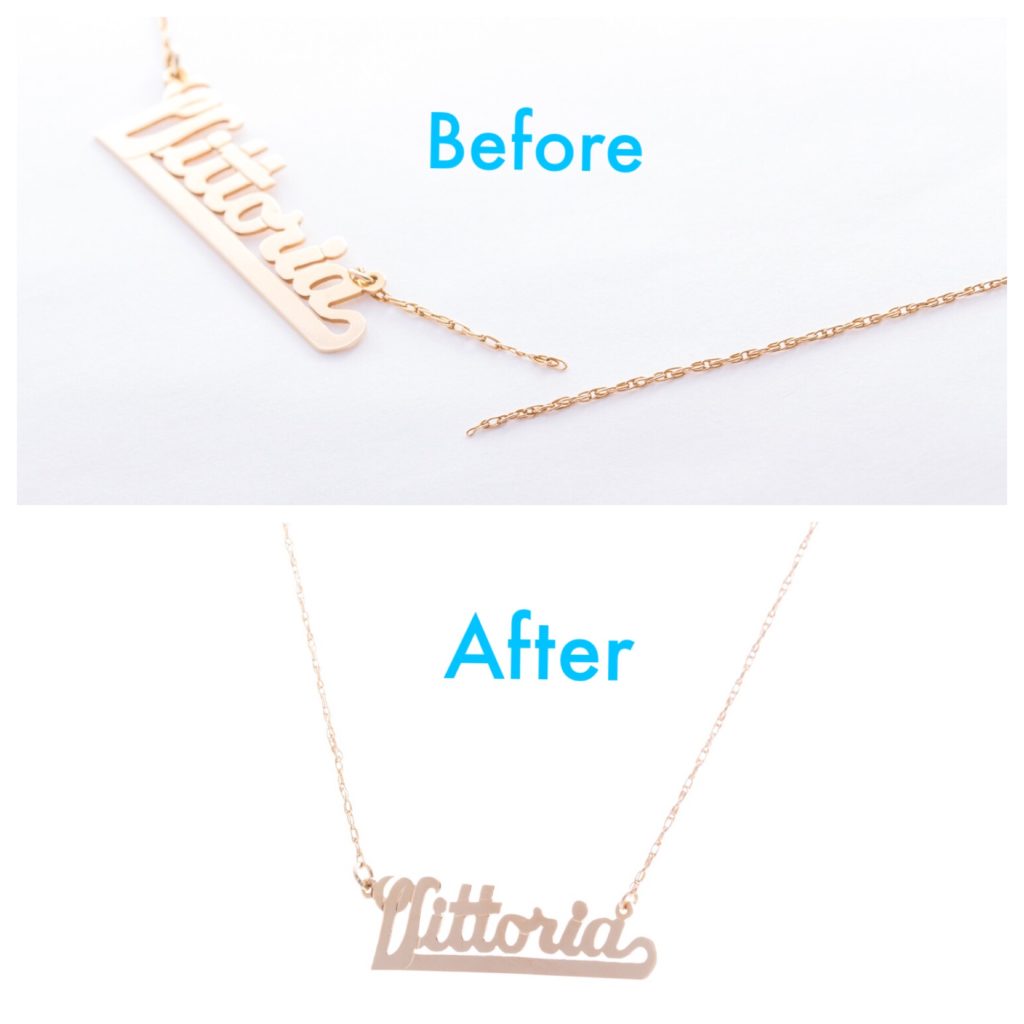
A broken necklace chain is one of the most common jewelry repairs, and one of the most fixable. Whether a single link snapped, the clasp gave out, or the chain kinked beyond wearability, there is almost always a solution. The key is knowing what type of break you're dealing with so you get the right repair.
This guide covers everything: why chains break, your repair options, real costs, and when to call in a professional.
Why Necklace Chains Break
Understanding the cause helps you get the right repair and prevent it from happening again.
- Metal fatigue, repeated flexing weakens individual links over time. Fine chains (box, snake, wheat) are especially vulnerable because each link is tiny and under constant movement stress.
- Clasp failure, lobster claw clasps take the most wear of any part of the chain. When the internal spring wears out, the clasp fails, and the chain often pulls with it.
- Snagging, catching a chain on clothing, a zipper, or hair can snap a link instantly. Delicate chains (0.5 to 1mm) are most at risk.
- Weight mismatch, attaching a heavy pendant to a chain designed for lighter loads stresses every link, especially at the bail connection point.
- Manufacturing defects, lower-cost chains sometimes have poorly soldered links from the factory that fail within months of first wear.
Types of Chain Breaks (and What Each Means for Repair)
Single link break
A single link snaps clean. This is the most straightforward repair, a jeweler solders the break closed and polishes it. On gold, silver, or platinum chains, a properly done repair is often very difficult to spot afterward.
Multiple link breaks
Multiple damaged links require more work. Depending on the chain style, a jeweler may need to cut out a damaged section and splice in a matching replacement segment. This may slightly shorten the overall chain.
Clasp failure
The clasp breaks but the chain itself is intact. This is usually a clean, affordable fix, remove the old clasp and attach a new one. Most clasp replacements run $20 to $50 depending on clasp style and metal.
Jump ring failure
The small ring connecting the clasp to the chain opens or cracks. This is one of the simplest fixes, a quick solder or replacement jump ring, often done while you wait.
Kinked or crushed chain
Box chains and snake chains can kink permanently if caught the wrong way. Minor kinks can sometimes be worked out carefully. Severe kinks usually require cutting out the damaged section and replacing it.
Chain Repair Options: What Actually Works
Professional soldering (the right call for precious metals)
For any break in a gold, silver, or platinum chain, professional soldering is the correct repair. A bench jeweler uses heat and the appropriate solder to rejoin the break cleanly. Done correctly, the repaired area can be very hard to spot, and the chain is restored for secure everyday wear.
This is not a DIY job for anything you actually care about. Heat application requires the right torch, the right solder alloy for the metal, and the skill to flow solder without overheating adjacent links.
Section replacement
When links are crushed or damaged beyond soldering, a jeweler cuts out the affected section and splices in a matching piece of chain. On many common chain types, such as curb, figaro, cable, and rope, the result is usually clean and low-visibility.
Clasp replacement
If only the clasp failed, there is no need to touch the chain itself. New clasps are relatively inexpensive and installation is straightforward. Whether it is a spring ring, lobster claw, or box clasp, your jeweler can usually match your original or upgrade you to a more durable style.
DIY repairs: where they work and where they fail
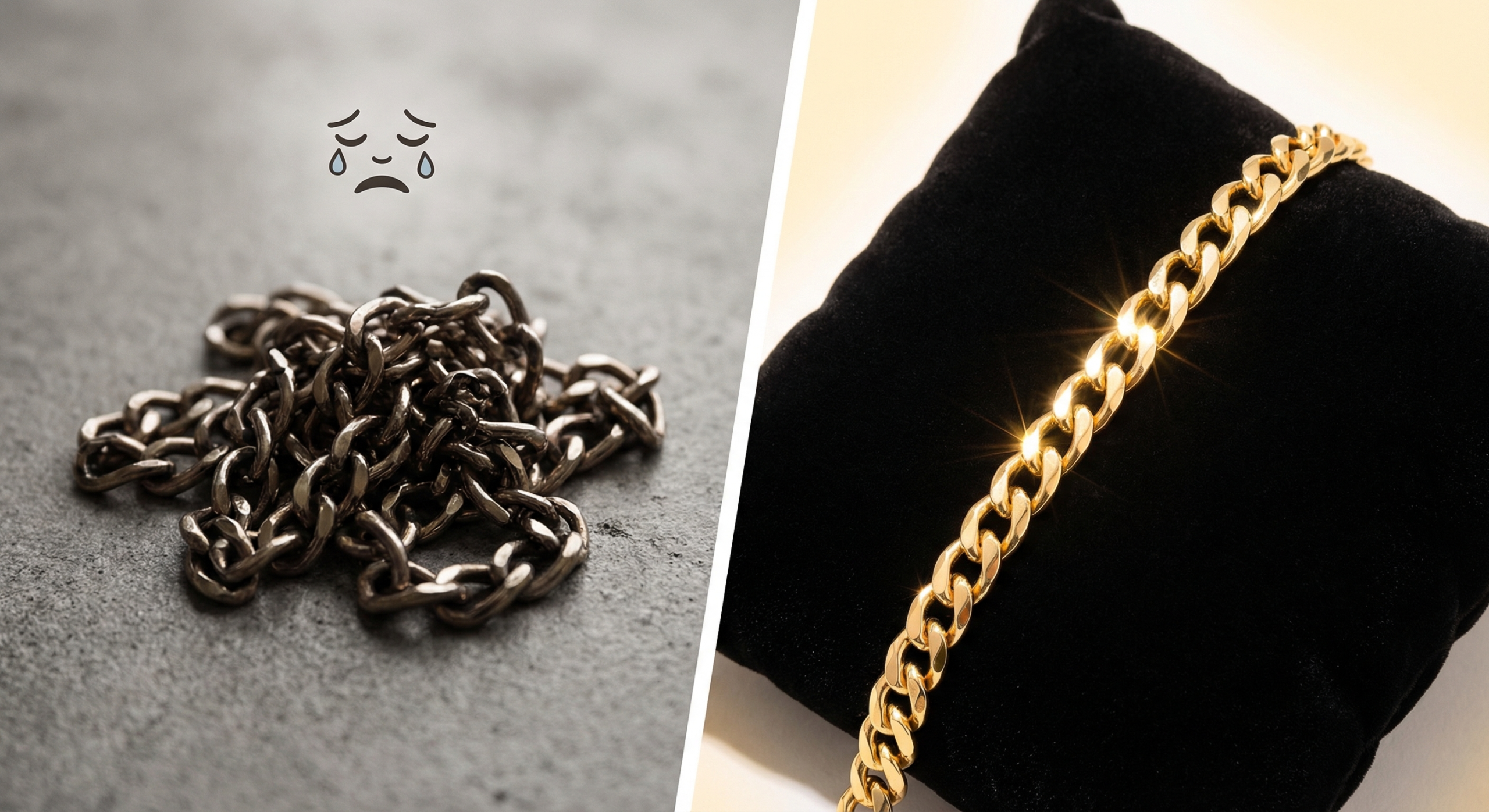
Jump ring pliers work fine for fixing fashion jewelry, pieces under $30 that you would replace rather than repair professionally. For any precious metal chain, unsoldered jump ring repairs are temporary at best. The repaired link may flex open again under normal wear, often within weeks.
What Chain Repair Costs
| Repair Type | QJR Starting Price |
|---|---|
| Jump ring repair/replacement | From $19 |
| Clasp replacement (silver/stainless) | From $48 |
| Single link solder, silver | From $30 |
| Single link solder, gold (10K to 18K) | From $36 |
| Single link solder, platinum | From $79 |
| Multiple breaks (2+ locations, varies by metal and chain style) | From $47 |
| Rush service (any repair) | +$50 |
Key pricing factors include metal type, chain weight and gauge, chain style (delicate box chains require more precision than curb or figaro), and whether the break is at a single point or across multiple links. All prices shown are QJR's actual starting rates. Your final quote depends on metal karat, chain thickness, chain style, and the number of damaged areas.
Get an exact quote for your chain repair →
What to Tell Your Jeweler
Whether you're visiting a jeweler in person or requesting a chain repair quote online, give them this information upfront:
- The metal type (gold, silver, platinum, vermeil, gold-filled)
- Where on the chain it broke (middle of chain, clasp end, pendant bail)
- Whether this has been repaired before in the same spot
- Whether there's a pendant attached and how heavy it is
Clear photos from multiple angles speed up the quote significantly, especially for send-in repairs.
Frequently Asked Questions
Can any necklace chain be repaired?
Most chains can be repaired professionally. Gold, silver, and platinum all solder cleanly. Gold-filled chains can be soldered but require care, since heat can affect the bonded layer. Plated chains are trickier, and thinly plated costume jewelry is often better off replaced. Pure stainless steel chains do not solder with standard jewelry solder and are typically replaced rather than repaired.
How long does chain repair take?
A simple solder takes a bench jeweler about 15 to 30 minutes of hands-on time. Most local shops return chain repairs within 1 to 2 days. QJR's chain repair service typically takes approximately 7 to 10 business days from when we receive your piece. Rush service (+$50) is available to expedite.
Will you be able to see where it was repaired?
On a properly done solder joint, usually not to the naked eye. After polishing, the repair generally blends into the chain. Poorly done repairs can leave visible lumps of solder, which is a sign the jeweler did not work cleanly.
My chain keeps breaking in the same place. What's wrong?
Repeated breaks at the same spot usually point to a structural weakness, a poorly made link, chronic metal fatigue, or a previous repair that was not done cleanly. Ask your jeweler to examine the entire section around the break, not just solder the obvious point again.
Can you repair a chain with a pendant still on it?
Yes. Many jewelers work around pendants. For complex or delicate pendants, your jeweler may prefer to remove it first to protect it from heat. They will advise you based on what they see.
Is it ever cheaper to replace the chain than repair it?
Sometimes, especially for thin, low-karat, or lightly plated chains where the metal value is low and a new chain costs less than bench time. A good jeweler should be honest about this tradeoff. At QJR, if replacement makes more financial sense than repair, we'll tell you.
Do not write off a broken chain before you know what's involved. Send us a photo and get a free repair quote →