


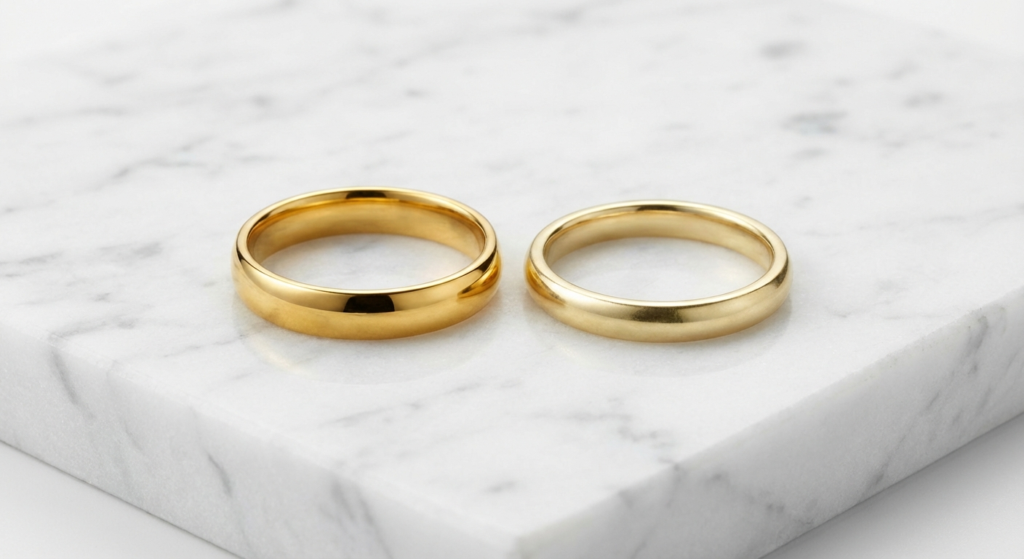
The primary difference between 14k and 18k gold is purity – and everything that flows from it. 14 karat gold is 58.5% pure gold (583 parts per thousand), while 18...
Read More about What Is the Difference Between 14k and 18k Gold?
Materials and Metals FAQs
Browse answers in this category.
Browse FAQs by Category
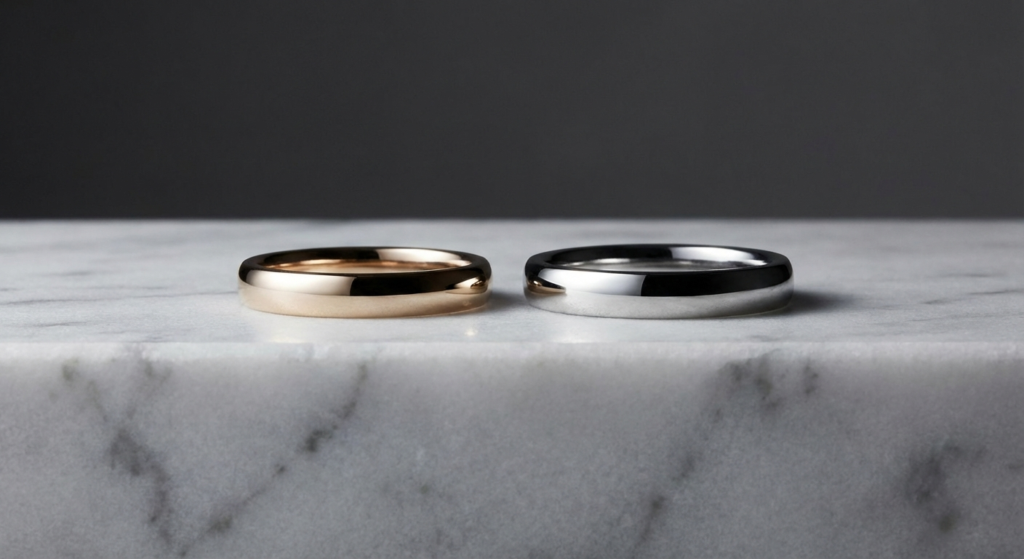
White gold and platinum look nearly identical when new, but they are fundamentally different metals. White gold is a gold alloy: pure yellow gold mixed with white metals – typically...
Read More about What Is the Difference Between White Gold and Platinum?
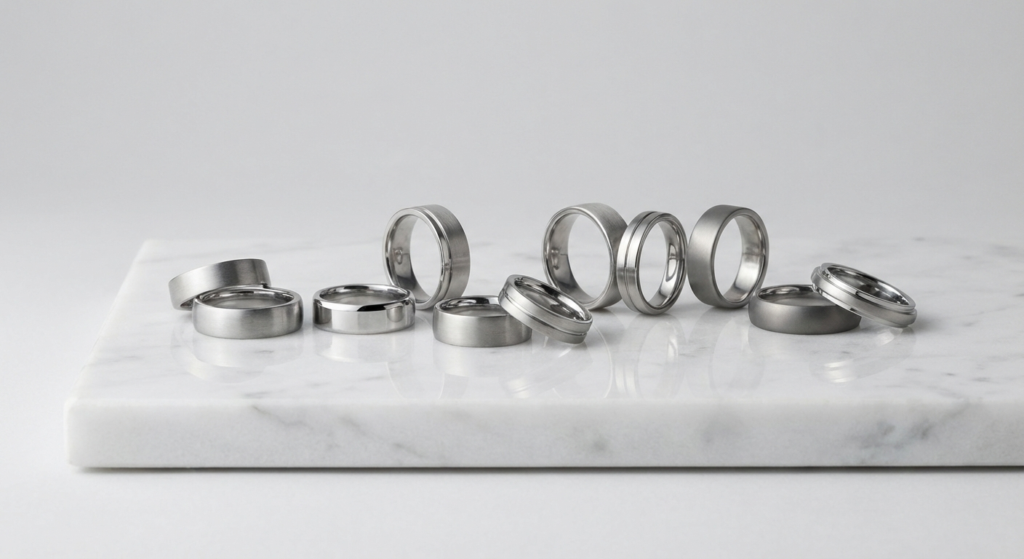
Stainless steel is a durable, affordable, and hypoallergenic option for rings, making it popular for fashion jewelry and men’s bands. It resists tarnish and corrosion extremely well and holds up...
Read More about Is Stainless Steel Good for Rings?
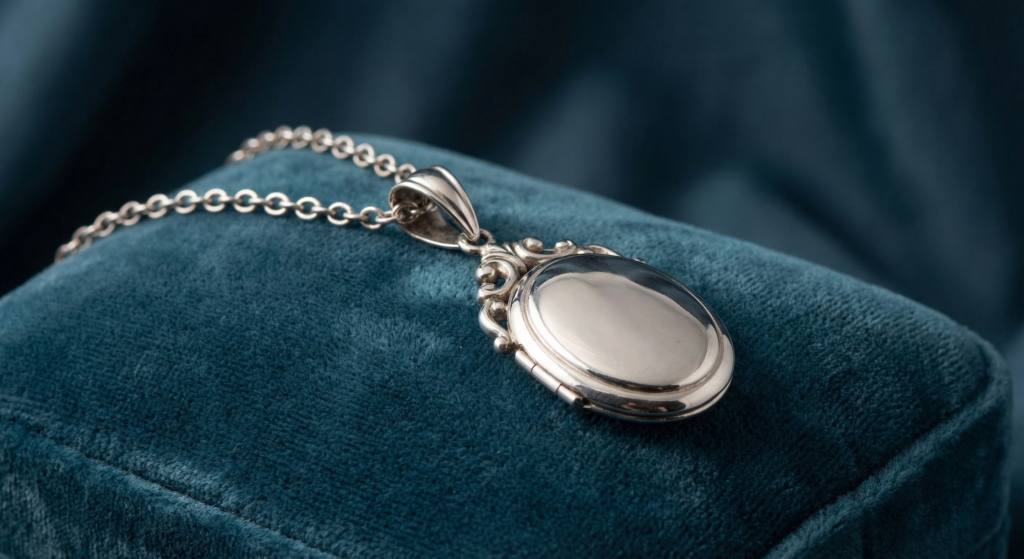
Yes – silver plated jewelry tarnishes, and it usually tarnishes faster than sterling silver. Silver plating is a microscopically thin layer of silver deposited over a base metal such as...
Read More about Does Silver Plated Jewelry Tarnish?
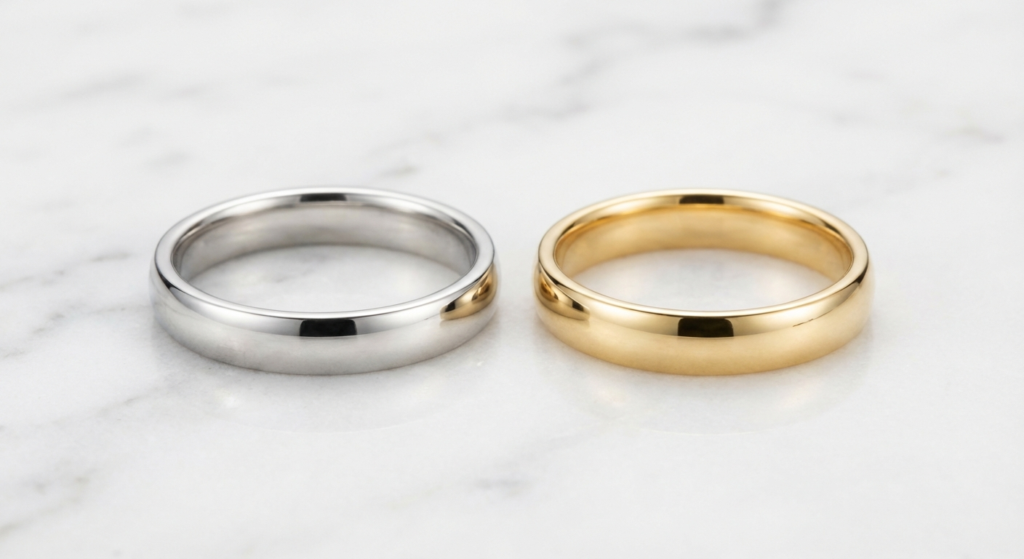
Yes, you can gold plate a platinum ring! Gold plating allows you to change the color and appearance of your platinum jewelry by adding a thin layer of gold. Whether...
Read More about Can you gold plate a platinum ring?
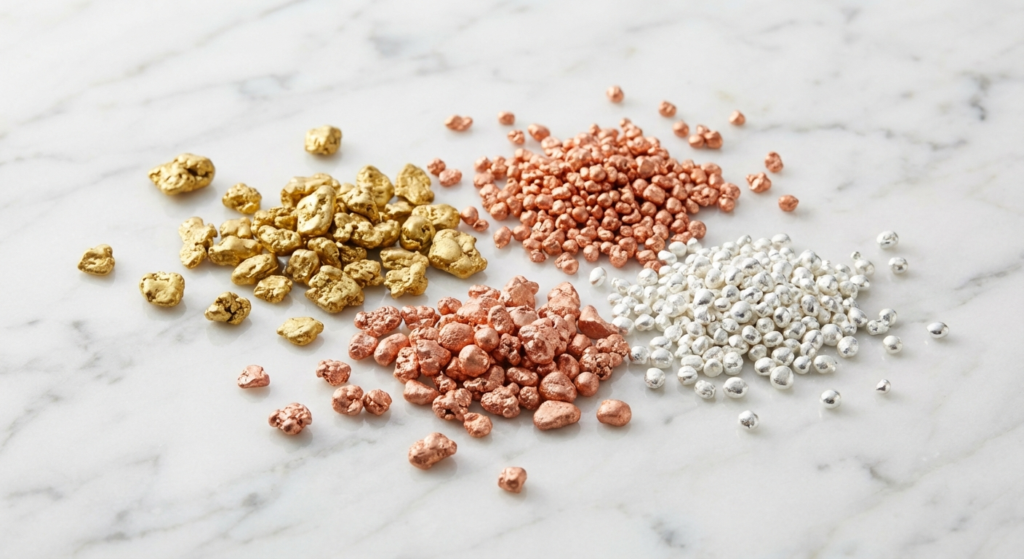
Alloys are used in jewelry making to improve the physical properties of the primary metal and make it more suitable for everyday wear. By mixing metals, jewelers can create alloys...
Read More about Why are Alloys Used in Jewelry Making?
Need More Information?
Visit our comprehensive glossary to explore essential jewelry and watch terminology.
Explore Glossary